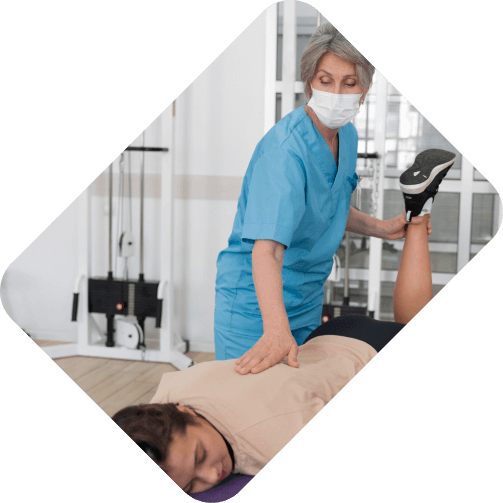
Research into manual therapy for the paediatric population suggests that gentle manipulation can influence the nervous system and musculoskeletal alignment. Clinical observations indicate that addressing physical strains-whether originating from intrauterine positioning or the compressive forces of birth-can support a more balanced developmental trajectory. Practitioners focus on the "whole-body" approach, ensuring that the tension in one area does not create a compensatory pattern elsewhere as the child reaches physical milestones.
Integrating osteopathic care into a child's health plan offers several specialized advantages:
In accordance with professional regulatory standards, every paediatric consultation begins with a comprehensive assessment. This includes a detailed case history and a gentle physical examination to ensure osteopathic treatment is appropriate for the child's specific needs. Practitioners develop targeted treatment plans that prioritize the safety and comfort of the young patient, often using subtle cranial or functional techniques. These sessions are paired with efficient recovery strategies, providing parents with self-care advice and post-treatment guidance to support their child's progress at home. This specialized care is ideal for addressing the physical impacts of a difficult birth, supporting recovery from childhood strains, and ensuring the body remains resilient throughout the demanding phases of maturation.
The transition of birth, whether through a long, traumatic labour or a rapid planned C-section, significantly impacts a newborn's delicate physiology. An infant's cranium is uniquely mouldable to navigate the birth canal, but structural stresses can persist post-delivery. Osteopathy focuses on gently resolving these retained tensions to support a more settled, balanced state for the baby.
Instruments such as forceps or ventouse apply specific directional pressures to a baby's fragile head. This can result in noticeable "cone-head" shaping (moulding) or facial bruising. Paediatric osteopaths are extensively trained to use sensitive palpation to identify these deep-seated tensions, using cranial and structural techniques to encourage the tissues to return to their natural alignment.
Babies who seek to feed or suckle constantly may be using the action to self-soothe. Sucking triggers the release of natural pain-relieving chemicals in the brain, providing a temporary escape from physical discomfort or "irritation" resulting from a difficult delivery. Osteopathy aims to address the root physical cause of this distress, reducing the baby's need for constant oral stimulation.
Following a traumatic birth, some infants exhibit a high autonomic drive, appearing "on edge" or unable to settle unless held or rocked. These babies may resist lying flat, often appearing stuck in a flexed or extended spinal position. By calming the nervous system through gentle manual therapy, we help transition the infant from a "wired" state to one of relaxation.
A baby who appears to have an unusually "strong" neck or frequently arches their back is often displaying signs of tissue stress. This hyper-extension can be a physical memory of a long birth or being stuck in the birth canal. Osteopathic intervention works to release this excessive tension, allowing for a more neutral and relaxed posture.
Infants who remain tightly flexed with their knees drawn up long after birth may need help "unwinding." This persistent fetal tuck can indicate a musculoskeletal system that hasn't yet transitioned to the postnatal environment. Gentle stretching and nervous system regulation help these babies "open up" and move more freely.
While often necessary, a C-section lacks the gradual compression and decompression of a vaginal birth. This sudden transition can leave a baby in a state of "physiological shock." Cranial osteopathy is particularly effective here, helping to settle the nervous system and ease the "ratty" or unsettled temperament associated with a sudden birth.
Positional Plagiocephaly (flattening of the side) and Brachycephaly (flattening of the back) affect many infants in the UK. While often mild, these conditions are frequently linked to restricted neck mobility or spinal tension. Osteopathy focuses on improving the overall mobility of the cranial bones and removing spinal restrictions to encourage more symmetrical head growth.
Treating the Newborn Spine
Effects of Compression and Intrauterine Moulding
During pregnancy and birth, a baby’s spine can be exposed to compressive forces and positioning strains within the womb and during labour. These natural pressures may sometimes create subtle tension patterns in the spine and surrounding tissues.
This can occasionally present as:
• Arching to one side
• Side bending or stiffness
• Difficulty turning the head evenly
• General body tension or
discomfort
Gentle osteopathic treatment aims to identify and release these strain patterns, helping to improve comfort, mobility, and balance throughout the body.
Using very light and gentle techniques, treatment may support:
• Relaxation of tight tissues
• Improved spinal mobility
• Better postural symmetry
• Ease of movement and settling
At Bay Osteopaths, our paediatric approach is calm, gentle, and tailored to support your baby’s natural development and wellbeing.

Careful evaluation of your child's needs and concerns
Personalized gentle techniques for optimal results
Regular monitoring of progress and development
At Bay Osteopath, our paramount focus is on restoring your health. Our highly trained and experienced practitioners have helped new born babies, infants, young adults, and patients of all age groups to lead a pain-free life.
book appointment